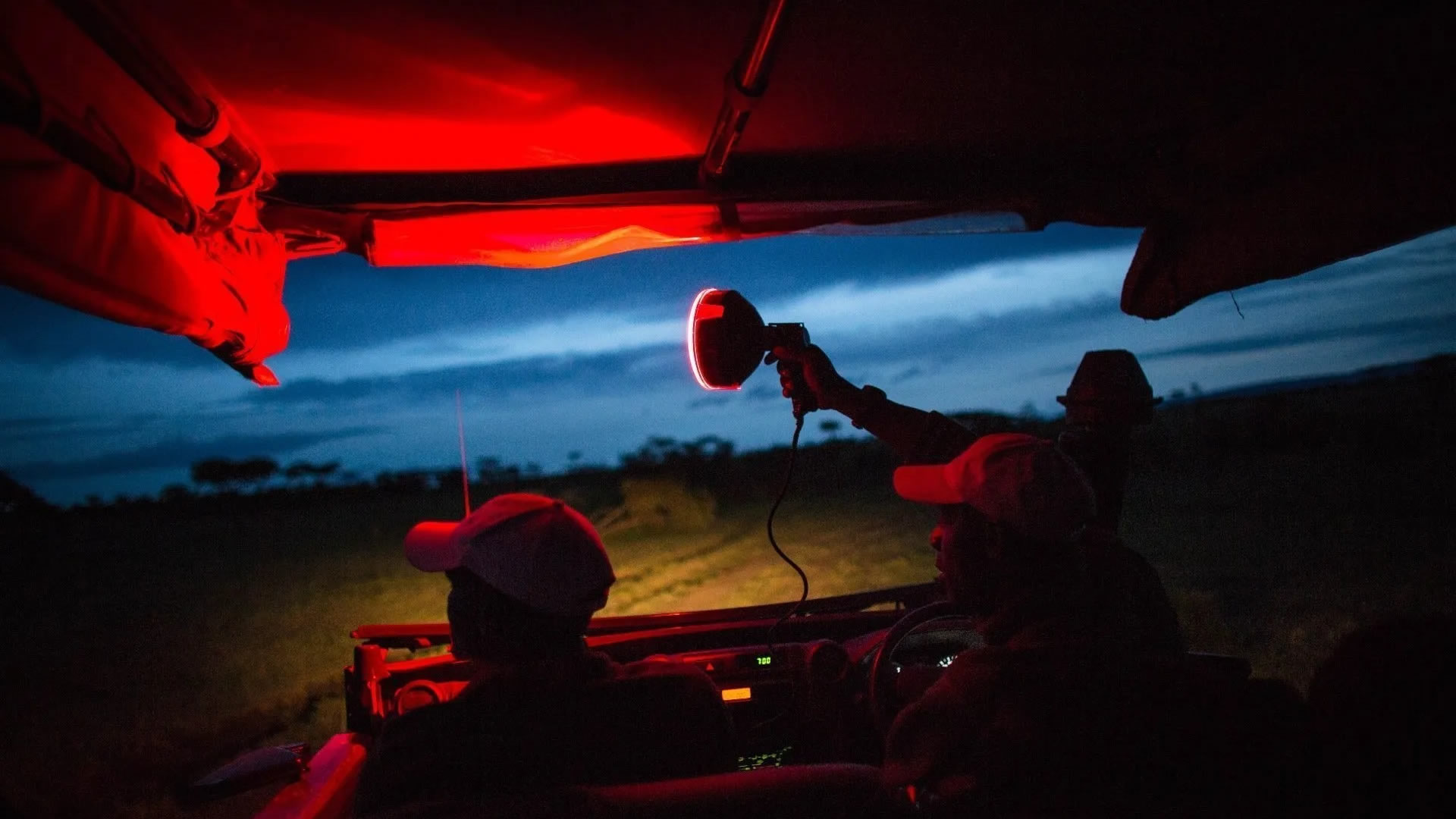
Experiencing the African bush after the sun has dipped below the horizon offers a fundamentally different perspective on the wilderness than the standard daytime safari. As the heat of the day dissipates and the landscape is cloaked in darkness, the cast of characters changes entirely. The diurnal animals seek safety and rest, while a hidden world of nocturnal creatures emerges to hunt, forage, and patrol. A night game drive is not merely a continuation of a day trip; it is a sensory shift where sight becomes secondary to sound and smell, and the thrill comes from the unpredictability of what the spotlight might reveal in the tall grass.
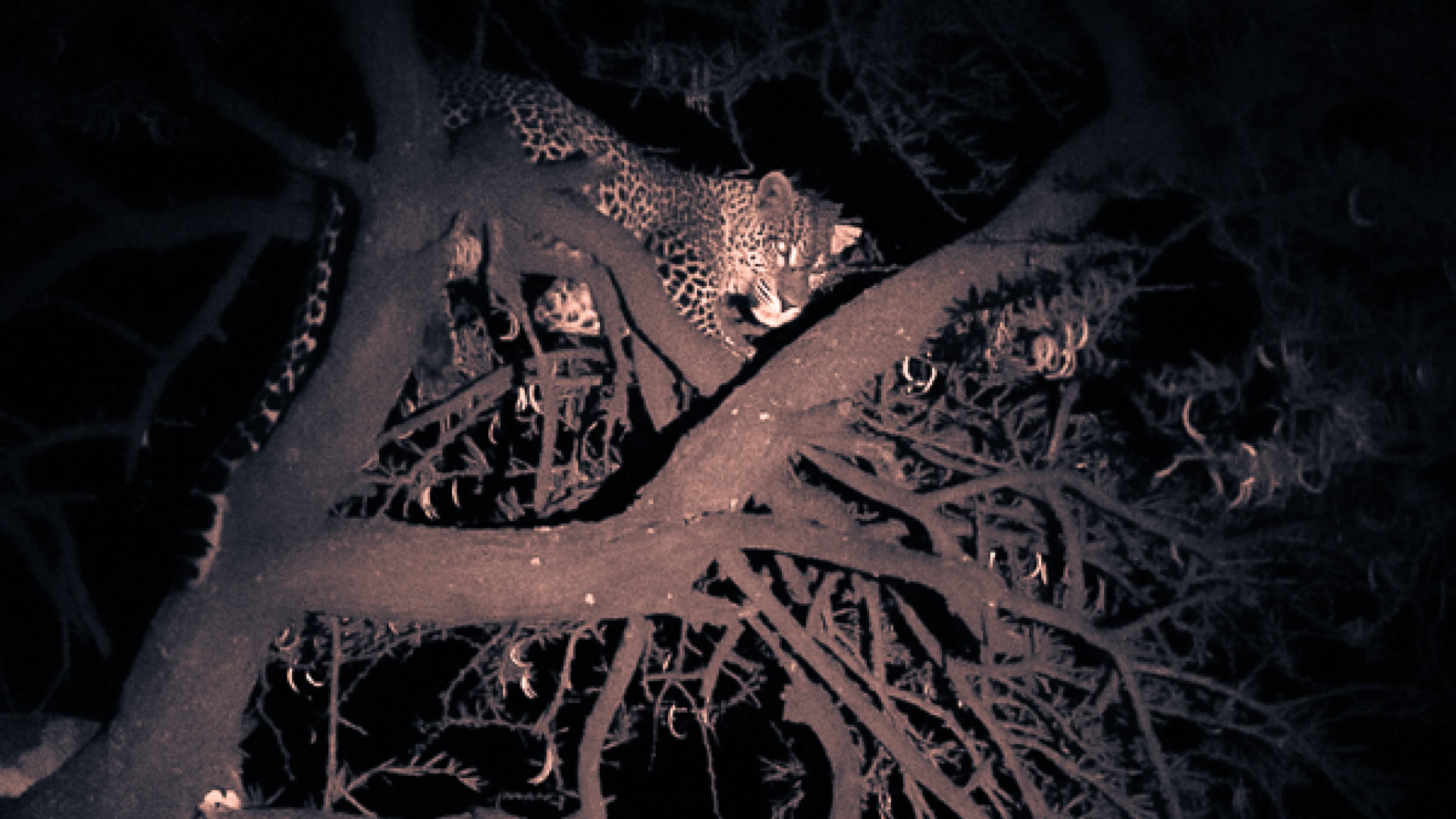
The atmosphere of a night drive is charged with a unique tension. Without the reliance on natural sunlight, the experience is dictated by the beam of a high-powered spotlight, usually manned by a dedicated tracker seated on the front of the vehicle or the guide. This narrow tunnel of light creates a sense of intimacy and mystery; you only see what the guide wants you to see. The silence is often deeper, punctuated by the sounds that are drowned out during the day—the chirping of crickets, the distant roar of a lion asserting territory, or the snapping of a branch as an elephant moves invisibly through the thicket. It is also notably colder; the drop in temperature in open-sided vehicles can be drastic, requiring heavy blankets and warm layers, even after a scorching day.
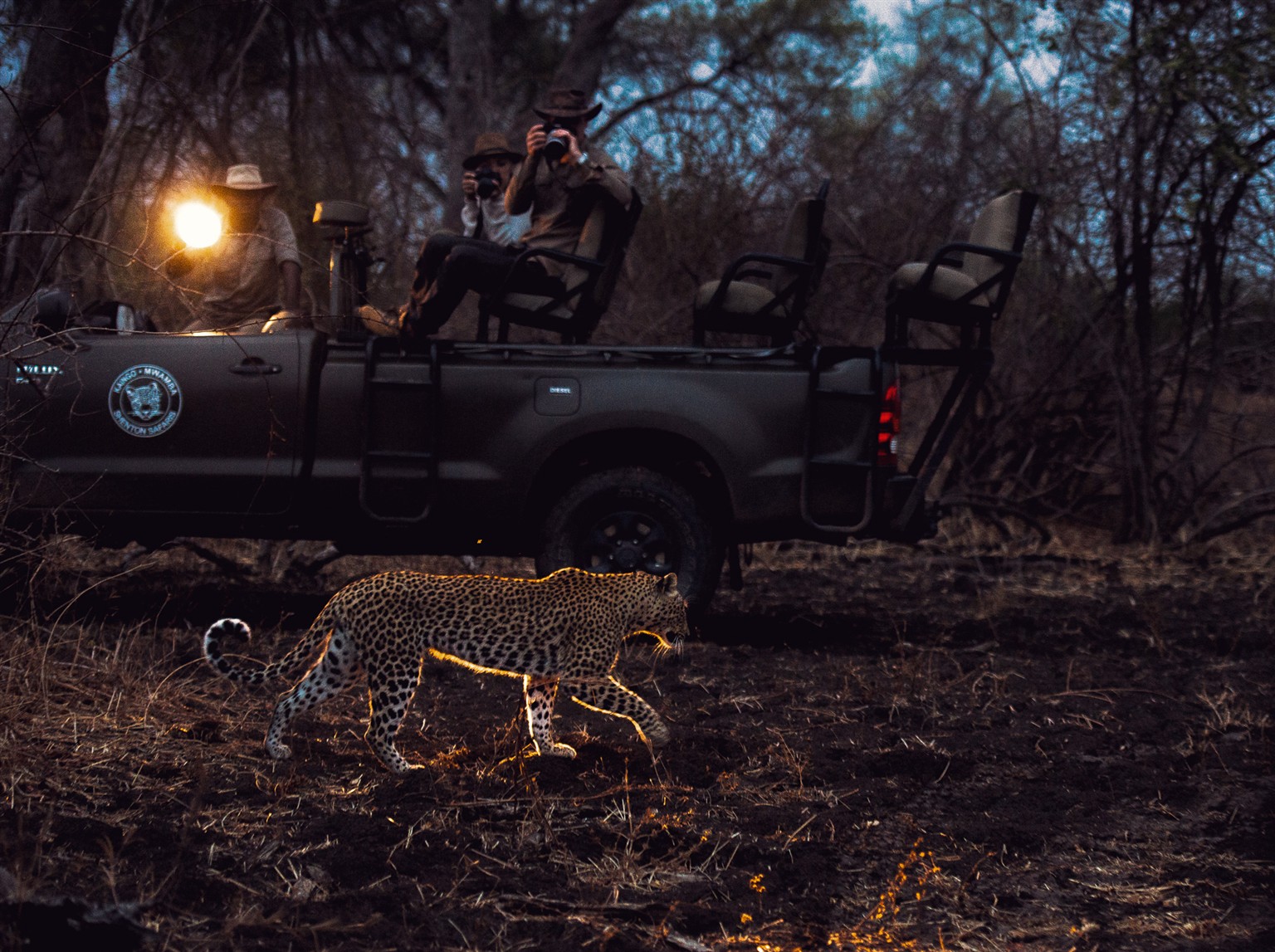
In East Africa, particularly Kenya and Tanzania, the rules regarding night drives are strictly tied to land management. Generally, night game drives are prohibited within the main government-run National Parks, such as the Serengeti National Park or the Masai Mara National Reserve, to allow animals a rest period and to minimize poaching risks. However, the experience is widely available and highly sophisticated in the private conservancies that border these parks. In Kenya’s Mara Conservancies (like Olare Motorogi or Naboisho) or Tanzania’s Grumeti and Mwiba reserves, guests enjoy the freedom of off-roading and night driving. Here, the focus is often on high-profile predators. The open plains of East Africa are ideal for spotting lions who prefer the cool cover of darkness to hunt. Witnessing a pride of lions stalking prey under the moonlight is a raw, often intense experience that defines the East African night drive.
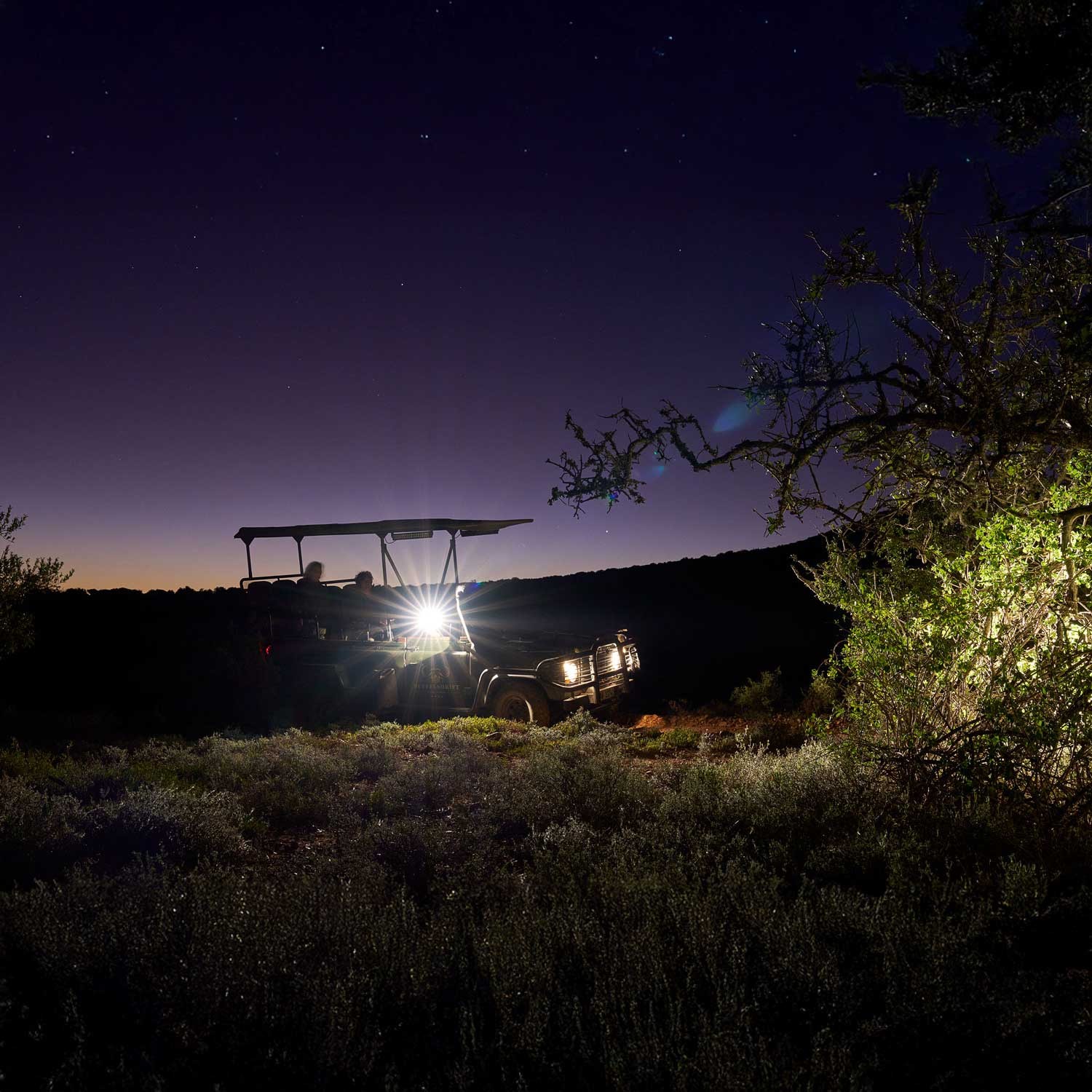
In Southern Africa—encompassing South Africa, Botswana, Namibia, Zambia, and Zimbabwe—night drives are more frequently embedded into the standard safari itinerary, particularly in private concessions and reserves. The culture of the night drive here is often centered on the "tracker" system. In places like the Sabi Sand in South Africa or the Okavango Delta in Botswana, a tracker sits on a specially mounted seat on the hood of the vehicle (the bonnet), reading the ground for fresh tracks while manipulating the spotlight. This region is particularly famous for leopard sightings. Leopards are notoriously elusive during the day but become emboldened by darkness. The private reserves of South Africa and Zambia’s South Luangwa National Park are arguably the best places on the continent to see leopards on the move, marking territory or hoisting kills into trees.